
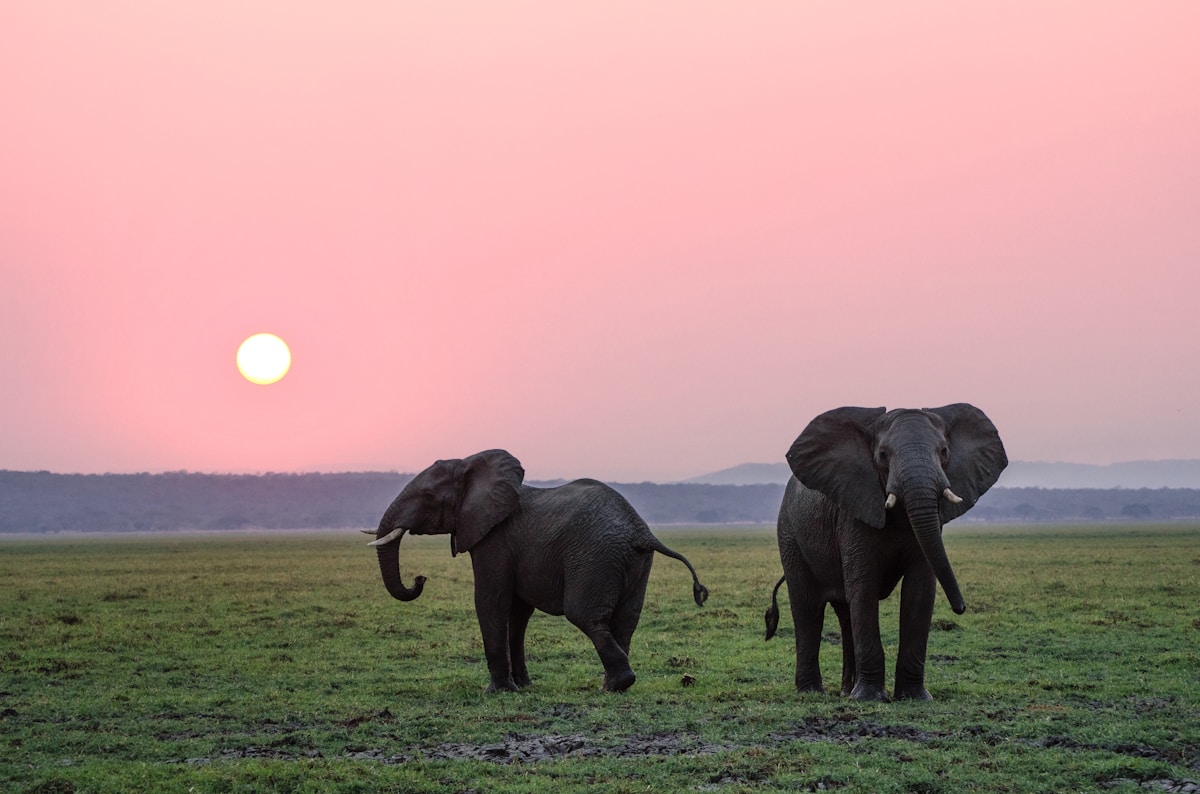
Le vocabulaire des animaux sauvages en anglais est indispensable pour lire des documentaires, comprendre les émissions animalières et parler de voyages ou d’écologie. Ce guide organise les animaux par continent, avec leurs cris, les noms de groupe et le vocabulaire des espèces menacées.
Cette vidéo ne peut pas être intégrée ici.
Ouvrir la vidéo sur YouTubeAnimaux sauvages d’Afrique
L’Afrique est le continent de la grande faune sauvage. Voici les 20 animaux les plus importants à connaître.
| Français | Anglais | Note |
|---|---|---|
| Lion | Lion | Lionne : lioness |
| Éléphant | Elephant | Éléphanteau : elephant calf |
| Girafe | Giraffe | |
| Zèbre | Zebra | |
| Guépard | Cheetah | Le plus rapide sur terre |
| Hippopotame | Hippopotamus / Hippo | |
| Rhinocéros | Rhinoceros / Rhino | |
| Gorille | Gorilla | |
| Chimpanzé | Chimpanzee / Chimp | |
| Gnou | Wildebeest | |
| Léopard | Leopard | |
| Crocodile | Crocodile | |
| Hyène | Hyena | |
| Autruche | Ostrich | Le plus grand oiseau du monde |
| Flamant rose | Flamingo | |
| Gazelle | Gazelle | |
| Impala | Impala | |
| Vautour | Vulture | |
| Mandrill | Mandrill | |
| Phacochère | Warthog | Pumba dans Le Roi Lion ! |
Expressions utiles avec ces animaux :
- The African savanna is home to the Big Five. (Les Cinq Grands : lion, éléphant, rhinocéros, léopard, buffle)
- Giraffes are the tallest living animals on Earth.
- Cheetahs can reach speeds of up to 120 km/h.
Animaux sauvages d’Amérique
Les Amériques abritent une faune variée, des forêts boréales aux jungles tropicales.
| Français | Anglais | Habitat |
|---|---|---|
| Ours brun / grizzly | Brown bear / Grizzly | Amérique du Nord |
| Aigle chauve | Bald eagle | Amérique du Nord |
| Loup | Wolf | Amérique du Nord |
| Bison | Bison / Buffalo | Amérique du Nord |
| Alligator | Alligator | Sud des États-Unis |
| Serpent à sonnettes | Rattlesnake | Amérique du Nord |
| Puma / cougar | Puma / Cougar / Mountain lion | Amériques |
| Jaguar | Jaguar | Amérique centrale et du Sud |
| Anaconda | Anaconda | Amazonie |
| Piranha | Piranha | Amazonie |
| Toucan | Toucan | Forêt tropicale |
| Ara | Macaw | Forêt tropicale |
| Tatou | Armadillo | Amérique centrale et du Sud |
| Tapir | Tapir | Amazonie |
| Lama | Llama | Andes |
Phrases utiles :
- The bald eagle is the national symbol of the United States.
- Jaguars are excellent swimmers, unlike most big cats.
- The anaconda is the heaviest snake in the world.
Animaux sauvages d’Asie et d’Océanie
| Français | Anglais | Pays / région |
|---|---|---|
| Tigre | Tiger | Inde, Asie du Sud-Est |
| Panda géant | Giant panda | Chine |
| Kangourou | Kangaroo | Australie |
| Koala | Koala | Australie |
| Ornithorynque | Platypus | Australie |
| Orang-outan | Orangutan | Bornéo, Sumatra |
| Dragon de Komodo | Komodo dragon | Indonésie |
| Ours polaire | Polar bear | Arctique |
| Léopard des neiges | Snow leopard | Himalaya |
| Éléphant d’Asie | Asian elephant | Asie du Sud et du Sud-Est |
| Rhinocéros de Sumatra | Sumatran rhinoceros | Sumatra |
| Dauphin de l’Irrawaddy | Irrawaddy dolphin | Mékong |
| Wombat | Wombat | Australie |
| Diable de Tasmanie | Tasmanian devil | Tasmanie |
| Cobra royal | King cobra | Inde, Asie du Sud-Est |
Phrases utiles :
- The giant panda is a symbol of conservation worldwide.
- The platypus is one of the few mammals that lay eggs.
- Kangaroos use their powerful back legs to jump up to 9 meters.
Les cris des animaux sauvages en anglais
En anglais, chaque animal a son propre verbe pour décrire son cri.
| Animal | Cri (nom) | Verbe | Exemple |
|---|---|---|---|
| Lion | Roar | To roar | The lion roared across the savanna. |
| Loup | Howl | To howl | Wolves howl at night. |
| Serpent | Hiss | To hiss | The cobra hissed at the intruder. |
| Éléphant | Trumpet | To trumpet | Elephants trumpet when they are alarmed. |
| Singe | Screech / Chatter | To screech / chatter | Chimpanzees chatter constantly. |
| Crocodile | Hiss / Bellow | To hiss / bellow | Crocodiles bellow during the mating season. |
| Aigle | Screech | To screech | The bald eagle screeched overhead. |
| Ours | Growl | To growl | The bear growled when it felt threatened. |
| Gorille | Grunt | To grunt | Gorillas grunt to communicate with the group. |
| Hyène | Laugh | To laugh | Hyenas make a laughing sound. |
Groupes d’animaux sauvages en anglais
Les noms de groupes (collective nouns) en anglais pour les animaux sont souvent poétiques et pittoresques. Apprendre les plus courants enrichit considérablement le vocabulaire.
| Groupe | Animaux | Exemple |
|---|---|---|
| A pride of… | Lions | We saw a pride of lions at the waterhole. |
| A pack of… | Wolves | A pack of wolves was hunting in the snow. |
| A herd of… | Elephants, buffalo, zebras | A herd of elephants crossed the river. |
| A school of… | Fish | A school of piranha lurked in the river. |
| A flock of… | Birds (flamingos, parrots) | A flock of flamingos landed on the lake. |
| A troop of… | Gorillas, monkeys | A troop of chimpanzees foraged in the forest. |
| A murder of… | Crows | A murder of crows settled in the tree. |
| A parliament of… | Owls | A parliament of owls roosted in the barn. |
| A crash of… | Rhinos | A crash of rhinos grazed on the plain. |
| A tower of… | Giraffes | A tower of giraffes browsed the treetops. |
Animaux en voie de disparition — vocabulaire essentiel
| Anglais | Français |
|---|---|
| Endangered species | Espèce en voie de disparition |
| Critically endangered | En danger critique d’extinction |
| Vulnerable | Vulnérable |
| Threatened | Menacé |
| Extinct | Éteint |
| Extinct in the wild | Éteint à l’état sauvage |
| Conservation | Conservation |
| Wildlife sanctuary | Réserve animalière |
| Habitat loss | Perte d’habitat |
| Poaching | Braconnage |
| Deforestation | Déforestation |
| Biodiversity | Biodiversité |
| Wildlife corridor | Corridor écologique |
| Rewilding | Réintroduction dans la nature |
Exemples de phrases :
- The Sumatran rhinoceros is critically endangered, with fewer than 80 individuals remaining.
- Habitat loss and poaching are the main threats to African elephants.
- Conservation programmes have helped the giant panda move from ‘endangered’ to ‘vulnerable’.
Récapitulatif — comment mémoriser le vocabulaire des animaux
- Associez chaque animal à un fait mémorable (le guépard court à 120 km/h, le platypus pond des oeufs…)
- Pratiquez les cris et les groupes qui sont distinctifs de l’anglais
- Regardez des documentaires en anglais (BBC Earth, National Geographic) pour entendre le vocabulaire en contexte naturel
- Notez les collective nouns les plus insolites : a tower of giraffes, a murder of crows, a parliament of owls
Questions fréquentes sur les animaux sauvages en anglais
Questions fréquentes
Comment dit-on 'lion' et ses dérivés en anglais ?
Le lion se dit 'lion' en anglais (masculin), la lionne se dit 'lioness', et le lionceau 'lion cub'. Un groupe de lions s'appelle 'a pride of lions'. Le cri du lion se dit 'roar' (rugissement), et le verbe est 'to roar'.
Comment traduire 'en voie de disparition' en anglais ?
En voie de disparition se traduit par 'endangered' en anglais. On dit 'an endangered species' (une espèce menacée). 'Critically endangered' signifie en danger critique d'extinction. 'Vulnerable' désigne les espèces vulnérables, et 'extinct' les espèces éteintes.
Quels sont les cris d'animaux les plus courants en anglais ?
Les cris d'animaux sauvages en anglais : le lion rugit (roars), le loup hurle (howls), le serpent siffle (hisses), l'éléphant barit (trumpets), le singe crie (screeches ou chatters), le crocodile siffle aussi (hisses). Chaque cri a son verbe spécifique en anglais.
Comment dit-on 'un groupe de loups' en anglais ?
Un groupe de loups se dit 'a pack of wolves'. Les collectifs d'animaux en anglais sont très variés : a pride of lions (lions), a herd of elephants (éléphants), a school of fish (poissons), a flock of birds (oiseaux), a murder of crows (corneilles), a parliament of owls (hiboux).